





News
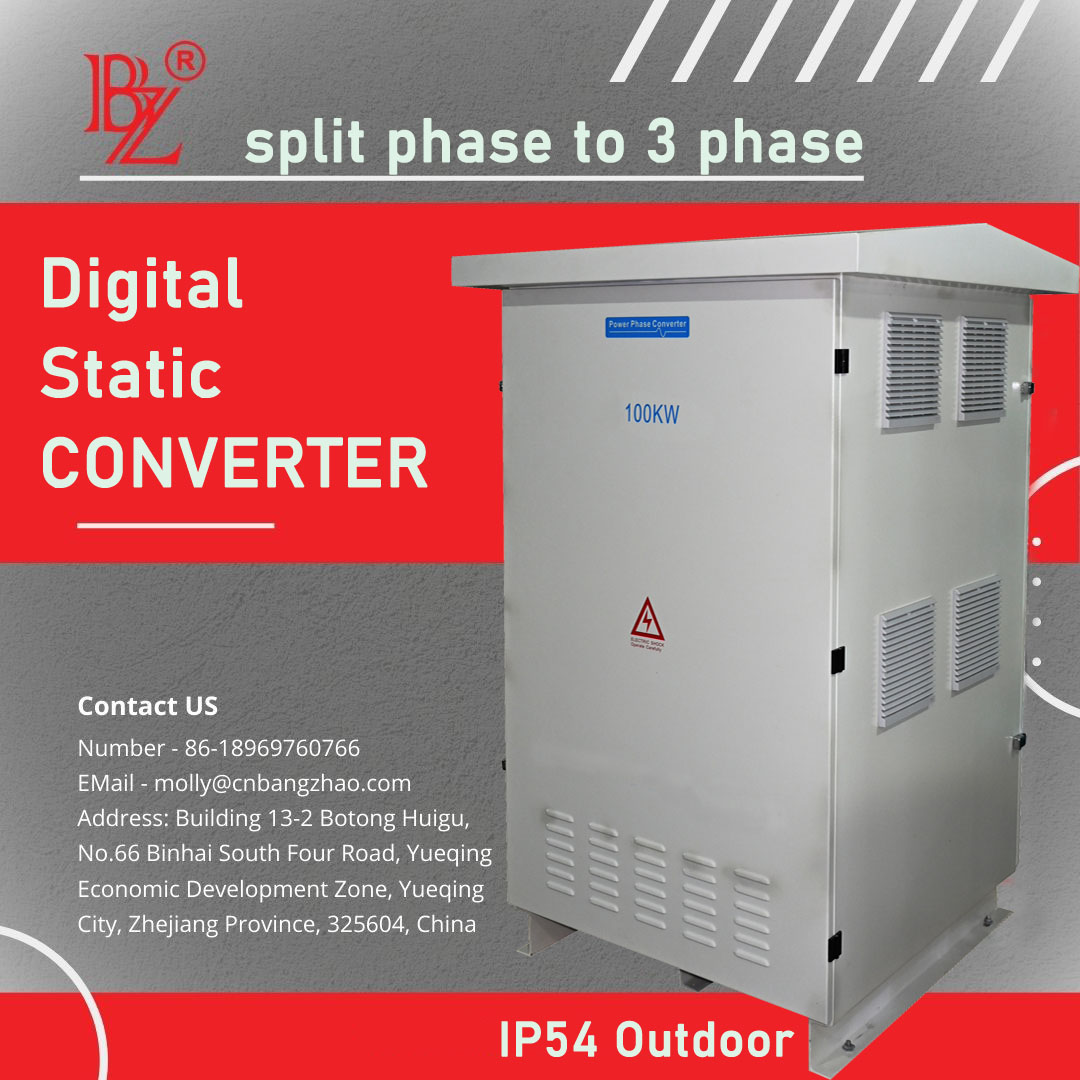
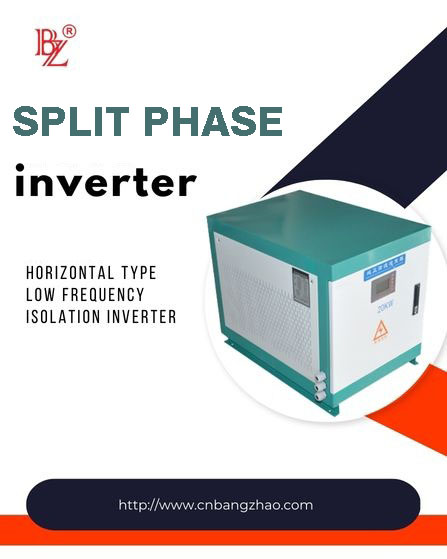
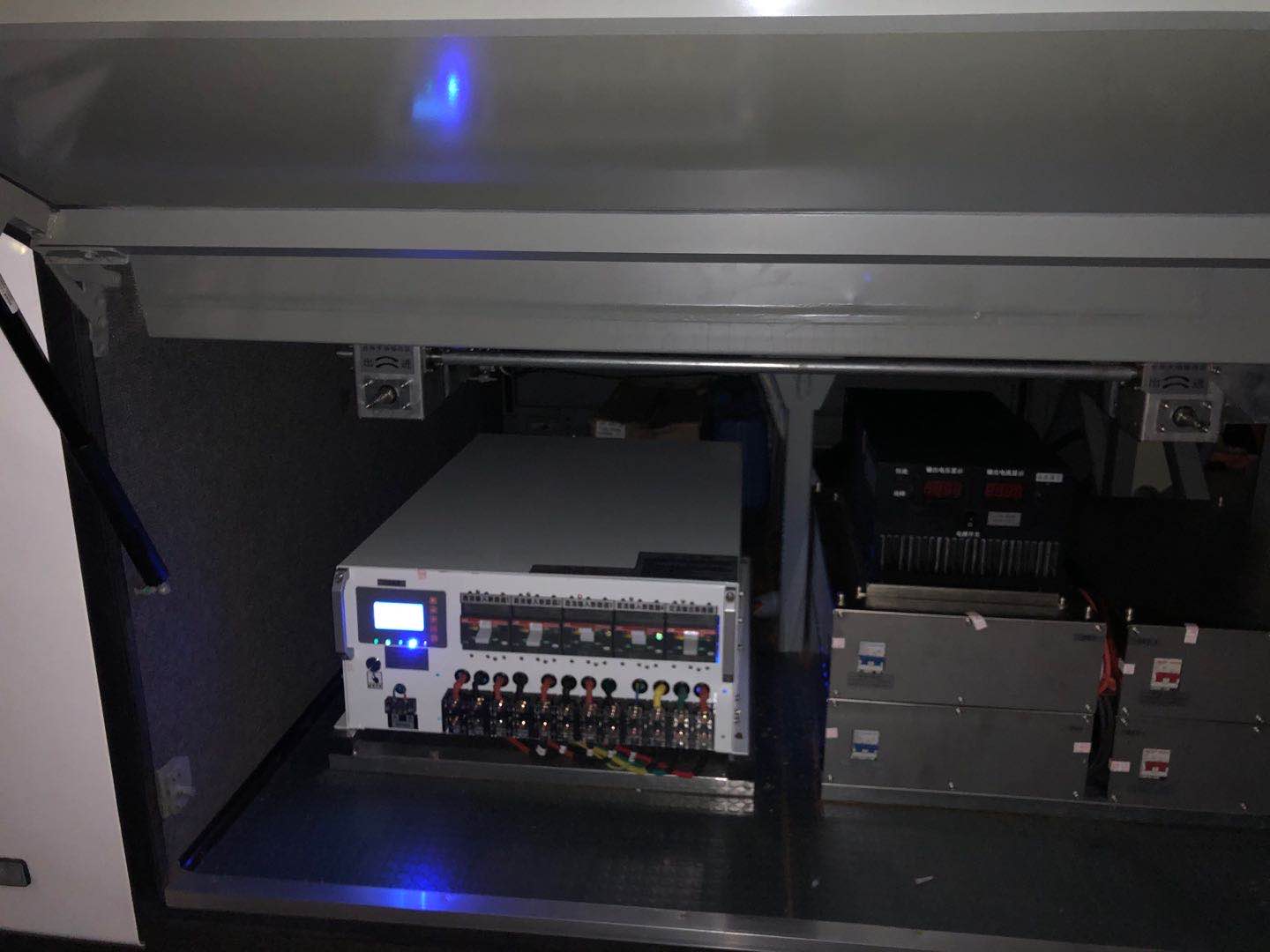
Single-phase to three-phase power supply: Precise phase-frequency conversion technology to crack the industrial power problem
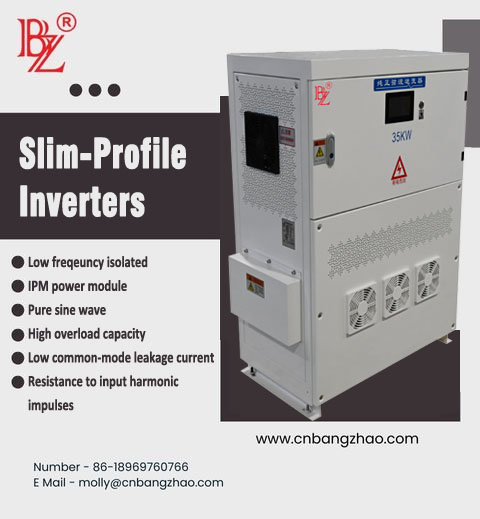
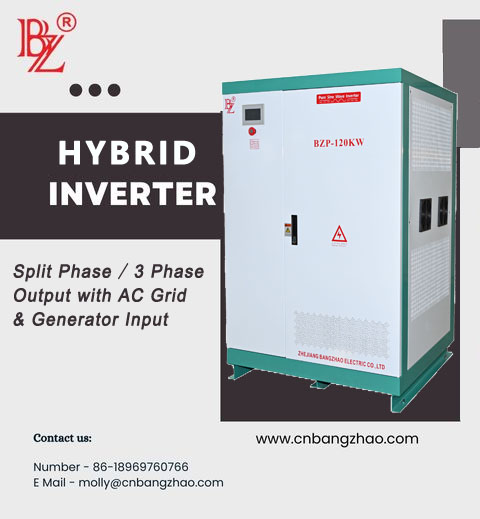
In industrial production and special power scenarios, three-phase power has become the ‘standard’ for motor drive, precision processing and other equipment due to stable voltage and strong power. However, due to grid coverage or application costs, some remote areas and temporary sites are still facing the dilemma of ‘three-phase power is hard to find’. Recently, a BZT series of single-phase to three-phase power supply based on advanced phase-frequency conversion technology was formally put into the market, which achieves the precise conversion of single-phase 220V to three-phase 380V through AC→DC→AC two-stage conversion architecture and SVPWM space vector modulation algorithm, with phase angle strictly locked at 120°, harmonic distortion rate below 2%, and output waveform close to the ideal sinusoid, providing a brand-new solution to the industrial power consumption. Provide a new solution for industrial power consumption.
Technical core: phase and frequency ‘dual control’ achievement of high-precision conversion
Traditional power conversion equipment often due to phase deviation or frequency fluctuations lead to motor heating, equipment loss and other issues. BZT series power supply using TI DSP28335 high-speed microprocessor and Mitsubishi sixth-generation IPM intelligent power module, through the SVPWM algorithm on the phase, frequency, output voltage, frequency and output voltage. Through the SVPWM algorithm, the phase, frequency and amplitude of the output voltage are regulated in a real-time closed-loop, which ensures that the phase difference of the three-phase power is constant at 120°, the frequency is stable at 50Hz (customisable), and the dynamic response speed reaches the millisecond level. Experimental data show that its output voltage fluctuation rate <±1%, frequency deviation <0.01Hz, fully meet the national three-phase electricity standards, can be seamlessly adapted to various types of motors, CNC machine tools and sensitive electronic loads.
‘This technological breakthrough is similar to fitting the power system with an “intelligent phase calibrator”.’ The project's chief engineer said, ‘Whether it's the input fluctuation of single-phase power or the sudden change of load, the system can quickly adjust the output parameters through double closed-loop control, ensuring that the back-end equipment always runs in a stable power environment.’
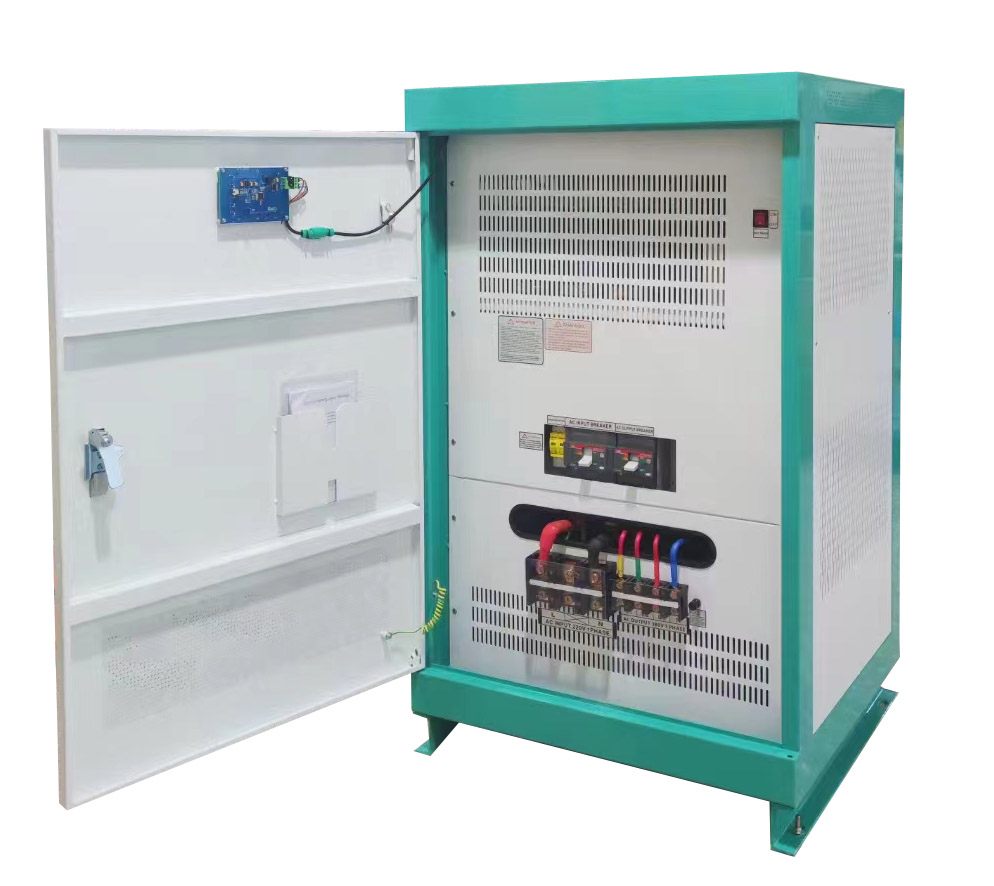
Application Scenarios: Full coverage from remote factories to Emergency Power Supply
Replacement of traditional three-phase power: In mountainous areas, farms or temporary sites not covered by the power grid, users only need to connect to single-phase utility power, and three-phase power can be output through the device, eliminating the high cost of grid expansion and the approval process.
Economy optimisation: the equipment is billed as single-phase power for civil use, but outputs industrial three-phase power, significantly reducing the cost of electricity; at the same time, its wide-voltage input design (160V-260V) is adapted to low-voltage areas, avoiding equipment shutdowns caused by unstable voltage.
Upgraded safety protection: the equipment has a built-in electrical isolation transformer to achieve complete isolation of input and output, eliminating the risk of electrocution; and equipped with over-voltage, overload, short-circuit, self-diagnostic and other ten protection mechanisms to ensure stable operation under extreme working conditions.
Market Reaction: Filling the gap, promoting the universality of electricity
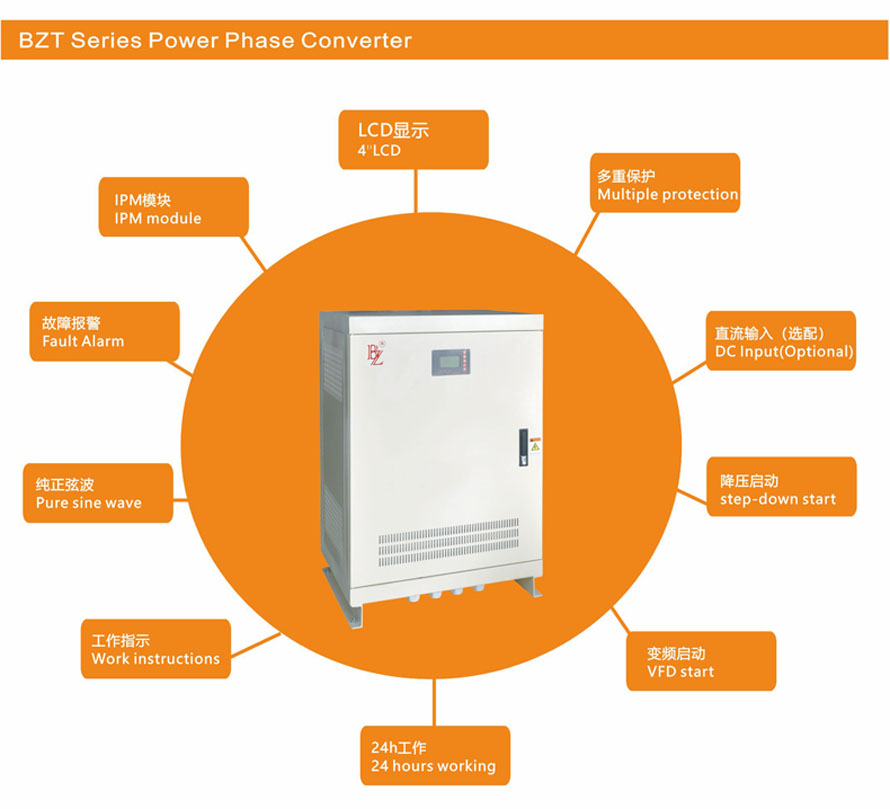
At present, BZT series power supply has been put into use in many domestic manufacturing enterprises, agricultural cooperatives and emergency rescue departments. Feedback from the person in charge of a machinery processing plant: ‘After using this equipment, the lathe that was originally shut down due to power restrictions resumed operation, monthly production capacity increased by 30%, and electricity expenses were reduced by 40%.’ In addition, its modular design and lightweight body (50% smaller than traditional equipment) are also favoured by mobile medical vehicles, field research stations and other scenarios.